Getting Into Karting
The easiest way to get into karting in the UK is an arrive-and-drive session at a hire track, followed by Motorsport UK's licence route if you want to race.
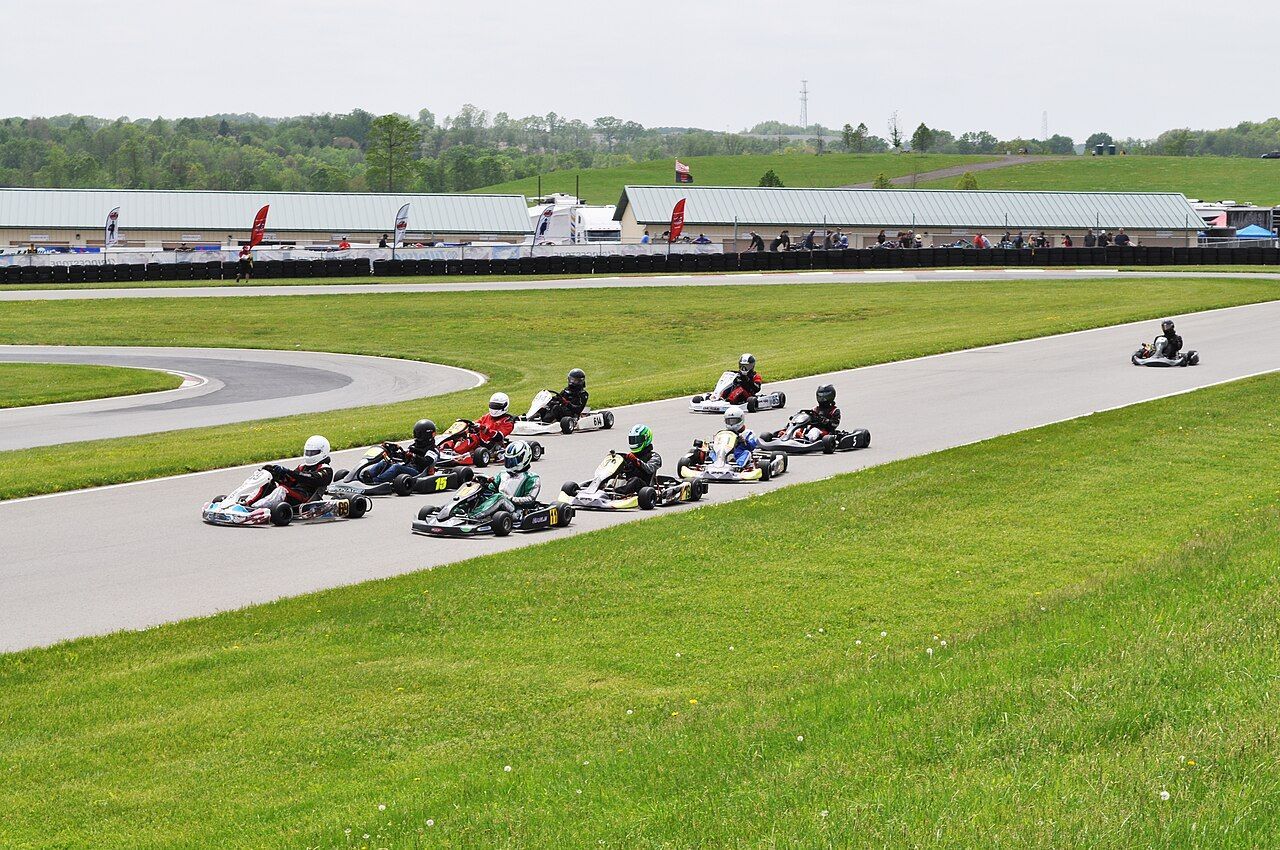
The easiest way to get into karting in the UK is an arrive-and-drive session at a hire track, followed by Motorsport UK's licence route if you want to race. Hire karting lets you try the sport without buying anything, while competition karting needs a Starter Pack, an ARKS test and a kart of your own.
Starting with hire karting
Indoor and outdoor hire circuits across the country run arrive-and-drive sessions, where the track supplies the kart and basic safety kit and you simply book a slot. It is a sensible first step for adults and for parents wondering whether a child will enjoy it, and many venues also run their own race nights and leagues. Formats, age limits and prices differ from one circuit to the next, so check with the venue before booking.
Hire karting is practice and fun rather than a qualification. It does not replace the formal steps below if you later want to compete in Motorsport UK-permitted events.
The Motorsport UK route to competition
To race under Motorsport UK, a first-time kart driver buys a Starting Karting Pack and then completes an approved course and test at a school belonging to the Association of Racing Kart Schools (ARKS). ARKS is a recognised group of professional kart schools that train and test newcomers for a Motorsport UK competition licence. The test is designed to show that both driver and equipment are ready to take part safely. The main points are:
- Applicants over 18 can take an online ARKS test, while those under 18 sit a written one.
- At some clubs the test combines a written paper with a practical driving assessment and takes around three hours.
- A new licence holder is a novice and must run novice number plates until they have collected six race signatures from Motorsport UK stewards; completing the ARKS course counts as one of the six.
- Long-circuit karting has its own requirements: either an ARKS test taken at a venue licensed for long circuits, or experience shown to the Clerk of the Course or an ARKS instructor during practice.
Once licensed, most drivers join a local kart club and race their own kart in club meetings. You will also need your own safety kit, and the specification it must meet is set out in the karting regulations, so read them before you buy.
Age groups and classes
Karting is not only for children. Motorsport UK's karting guidance lists Bambino for ages 6 to 8, Cadet for 8 to 12, Junior for 13 to 17 and Senior for 15 and over, plus gearbox classes at Junior (13 to 17) and Senior (15 and over) level. These ages are the lower and upper limits for each category, which is why some bands overlap.
Within each category there are several classes, usually defined by engine and chassis. The right one depends on age, size, budget and what the clubs near you actually run, so it pays to visit a club meeting and talk to the organisers before choosing a kart.
Fees, classes and licence rules change from time to time, and costs vary widely between venues, classes and equipment. Before paying for anything, check the current karting pages and regulations on the Motorsport UK website, the ARKS school you plan to use and the local club where you intend to race.
Sources
- Motorsport UK: Arks
- Motorsport UK: Competition licences
- Motorsport UK: Board Approved Regulations for Website January 2024
- Motorsport UK: Motorsport UK Karting Yearbook 2025 v1.5 050325
- Motorsport UK: Motorsport UK Start Karting Leaflet 2021 1
- Motorsport UK: 379 405 Karting U v2 1
- BMKR: Getting started
- Association of Racing Kart Schools