Safety Car Rules
Under the Safety Car, a real car goes out and the field queues behind it; under the Virtual Safety Car, no car appears and every driver must slow to a set delta time.
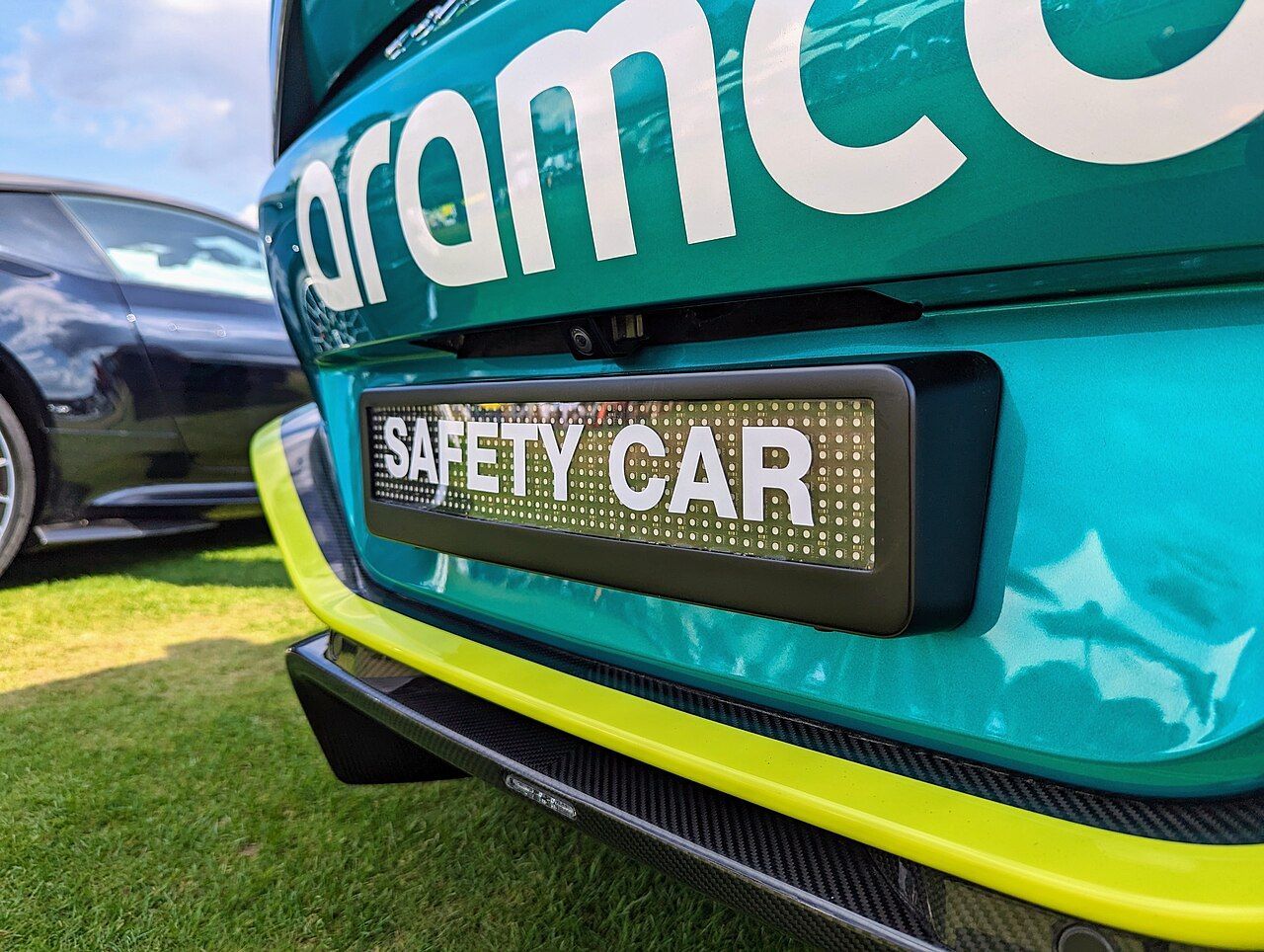
Under the Safety Car, a real car goes out and the field queues behind it; under the Virtual Safety Car, no car appears and every driver must slow to a set delta time. Both neutralise a race so marshals can work safely, but they change the race in very different ways.
When race control uses each one
The FIA's Formula One Sporting Regulations set out a scale of response. The Virtual Safety Car, or VSC, is used when double waved yellow flags are needed on a section of track and competitors or officials may be in danger, but the situation does not justify the Safety Car. The Safety Car itself is used only when competitors or officials are in immediate physical danger on or near the track, but the circumstances do not require the session to be stopped. The VSC can also be used to neutralise practice sessions, not just races.
A red flag sits above both. It is not a stronger Safety Car but a suspension: the session is stopped altogether and the cars leave the track until race control decides how, or whether, to resume. A stranded car in a run-off area might need only a VSC; a crash that scatters debris across the racing line is more likely to bring out the Safety Car; damage to barriers or conditions too dangerous to race in can lead to a red flag.
What drivers must do
Under the VSC, there is no physical car to follow. Each driver must stay above a minimum delta time through each marshalling sector, which forces everyone to slow by a similar amount at the same moment. Drivers keep the positions they held when the VSC began, and because the whole field slows together, the gaps between cars stay roughly as they were.
Under the Safety Car, a real car enters the track and the field closes up in a queue behind it, with the leader directly behind the Safety Car and no overtaking allowed. That is the key difference: a lead of several seconds can disappear within a lap or two, because everyone ends up nose to tail.
| Safety Car | Virtual Safety Car | |
|---|---|---|
| Physical car on track | Yes | No |
| How drivers slow | Queue behind the Safety Car | Keep to a minimum delta time per sector |
| Gaps between cars | Wiped out as the field bunches | Roughly preserved |
| Typical trigger | Immediate physical danger on or near the track | Double yellow flags needed, but no Safety Car required |
| Pit stop cost | Lower than under green flags | Lower than under green flags |
Why the VSC exists and how racing resumes
The VSC was introduced for the 2015 season in response to Jules Bianchi's accident at Suzuka during the 2014 Japanese Grand Prix. Its purpose is to slow every car quickly and consistently while marshals and recovery vehicles work, without waiting for a Safety Car to gather the field.
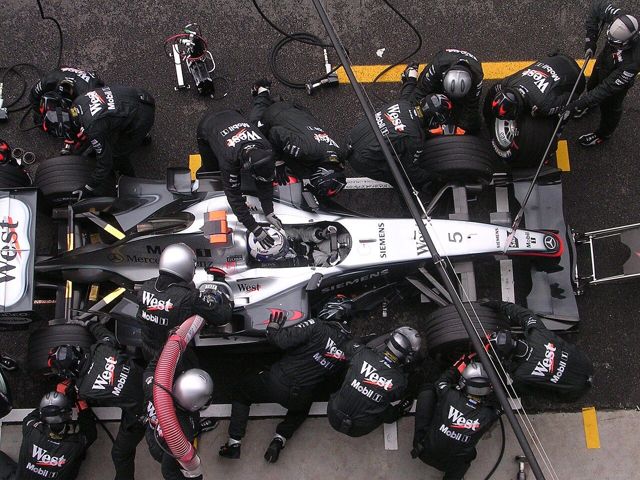
Either procedure makes a pit stop cheaper. While the rest of the field is running slowly, a driver who pits loses less time relative to rivals than under racing speed, which is why teams often react instantly to a VSC or Safety Car call. When a VSC ends, drivers are told it is finishing and resume racing when the track goes green, from the gaps they already had. When a Safety Car comes in, the leader sets the pace for the restart and the bunched field races again from close quarters. The exact restart procedures are revised from time to time, so check the current FIA Formula One Sporting Regulations for the detail.
The practical rule is simple: both systems slow the race for safety, but the Safety Car rebuilds the race behind a physical car, while the Virtual Safety Car freezes it by making every driver respect the same delta time.
Sources
- FIA: Fia 2026 f1 regulations section b sporting iss 07 2026 06 25
- FIA: Fia 2025 formula 1 sporting regulations issue 5 2025 04 30
- FIA: 2022 formula 1 sporting regulations iss 2 2021 02 19
- FIA: Wec 2024 d02 all virtual safety car 14112023
- f1radioreplay.com: F1 virtual safety car
- f1-fansite.com: Vsc virtual safety car
- Lance!: F1 o que e o safety car virtual veja como funciona e mais.ghtml
- Motorsport.com: F1 safety car how does it work