How Rallying Works
Rallying is a race against the clock, not against cars alongside you: crews tackle closed special stages one at a time, and the fastest total time wins.
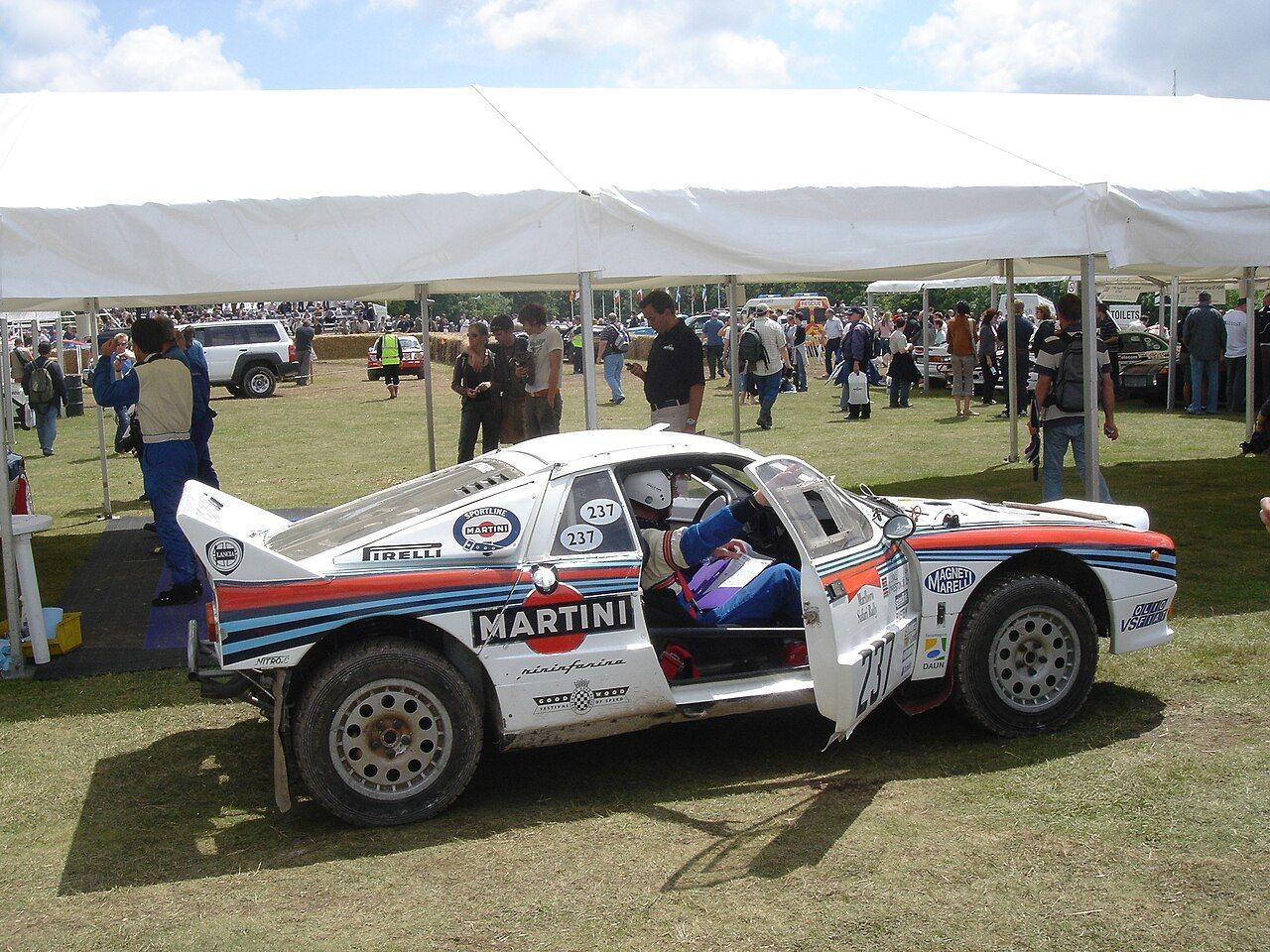
Rallying is a race against the clock, not against cars alongside you: crews tackle closed special stages one at a time, and the fastest total time wins. The driver handles the car, while the co-driver reads notes describing the road ahead, so the crew can commit to corners they cannot yet see.
Stages, road sections and service
The competitive parts of a rally are called special stages. They run on roads closed to the public, such as forest tracks, private venues or sealed-off public roads, and each crew starts at intervals, aiming to complete the stage in the shortest possible time. Between the stages, cars drive road sections on open public roads, where normal traffic law applies and nobody is racing. At set points in the day, crews return to a service area where mechanics can repair and prepare the car within the time the event allows.
The stage times are added together across the event to give the overall result, so a crew can win without being fastest on every stage, and a single mistake can undo a day of good driving. A round of the FIA World Rally Championship typically runs over three or four days. Its final stage, often called the Power Stage, is usually shorter and can offer bonus championship points.
The co-driver and pace notes
Pace notes are the co-driver's shorthand for the road ahead: how severe each corner is, how the road links from one bend to the next, and hazards such as jumps, crests or potholes. At the highest level, crews make these notes themselves during recce, the reconnaissance runs over the stages before the event. In competition, the co-driver reads the notes aloud, timed so the driver hears each instruction just before it is needed. Motorsport UK stresses that pace notes are more than route directions: they describe the road corner by corner, with the detail a driver needs to go at the speed they believe they can drive it.
Pace notes are not allowed everywhere. Motorsport UK's National Competition Rules prohibit pace notes or other advice for tackling a stage unless the event's official documents specifically allow them, with a defined exception for certain single venue stage rallies. Many UK club events therefore run without crew-made notes, and the co-driver navigates from material issued by the organiser. Rules like these are revised, so check the current Motorsport UK regulations and the event's own documents.
UK rally formats and watching safely
In the UK, stage rallies are the closed-road, timed form described above. Road rallies are a different discipline: navigation and timing events on public roads, run at legal speeds, where the challenge is finding the route and keeping to schedule. Historic rallies are for older cars and follow their own eligibility rules. Motorsport UK is the place to find out which format suits a first entry.
Spectators should only watch from designated spectator areas, follow marshals' instructions and never stand on the outside of a corner or anywhere a car could leave the road. Each event publishes its own spectator guidance, so read it before travelling.
What the driver sees on a stage is only half the picture; the rest is what the co-driver has already written down or been given. Before watching or entering, check the event's official documents and Motorsport UK's current rules, because they decide what notes are allowed and where it is safe to stand.