Hillclimbs and Sprints
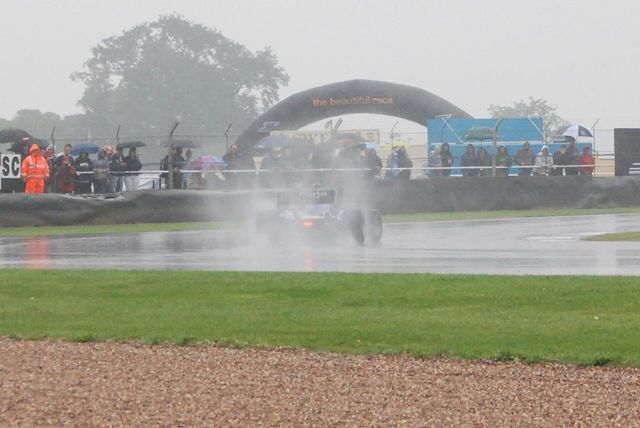
Hillclimbs and sprints are UK speed events where one car at a time is timed over a closed course, with no wheel-to-wheel racing.
Hillclimbs and sprints are UK speed events where one car at a time is timed over a closed course, with no wheel-to-wheel racing. They are among the most accessible ways to compete with a road car, and the route in starts with a Motorsport UK competition licence and membership of a recognised motor club.
How hillclimbs and sprints work
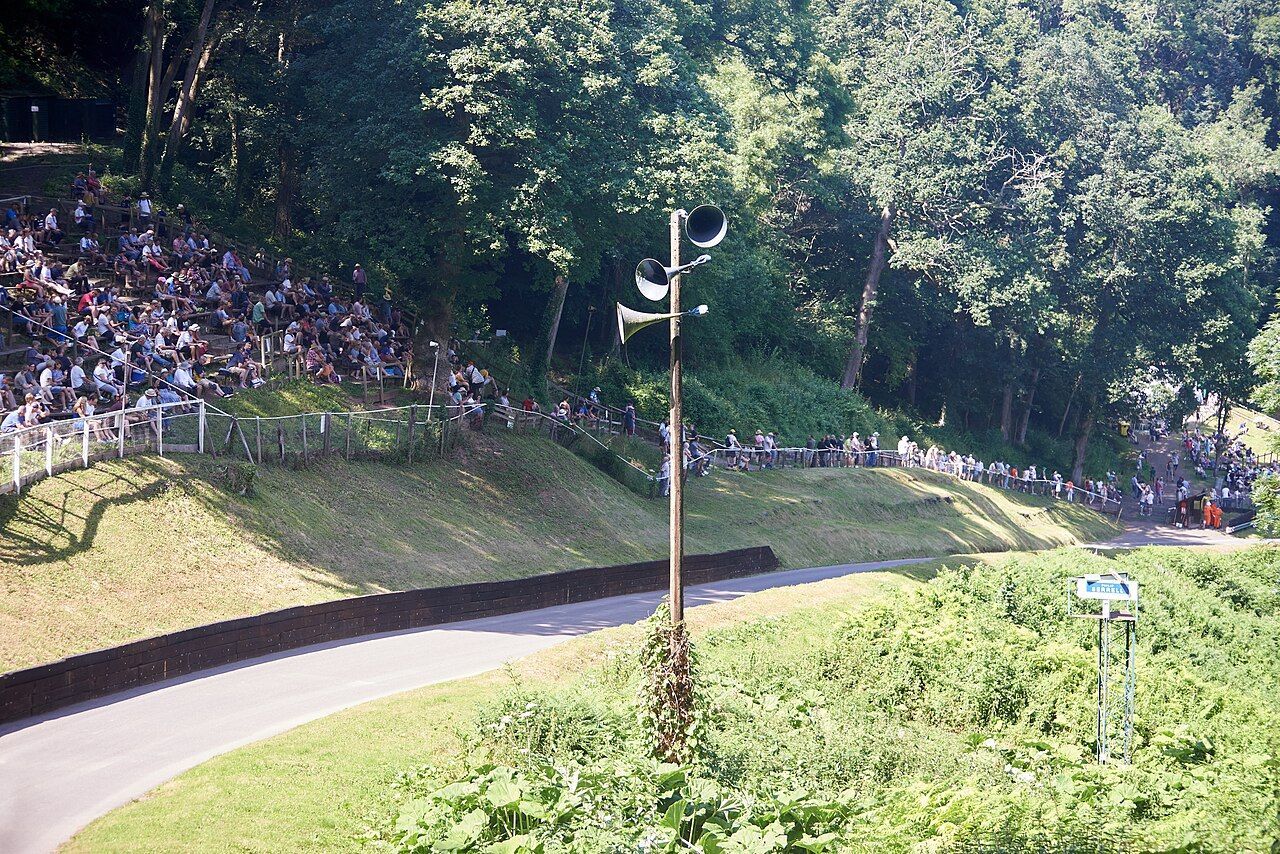
Motorsport UK describes a hillclimb as a type of motor sport in which competitors drive a car against the clock on a closed course. A sprint follows the same principle. The difference is the ground: a hillclimb runs up a hill, often a narrow and twisting private road, while a sprint uses a flatter course, typically laid out on a race circuit or a former airfield. In both, the result depends on the time you set rather than on passing other cars.
Both disciplines are governed by Chapter 14 of Motorsport UK's National Competition Rules, published in the Blue Book. The number of cars allowed on track at once is limited by each venue's track licence, and junior competitors must run on their own. Each event also has Supplementary Regulations, issued by the organiser, which set out its classes and entry details.
The sport has deep roots in Britain. Shelsley Walsh in Worcestershire has been in continuous use since 1905, making it the world's oldest motorsport venue still in use, and Prescott in Gloucestershire is run by the Bugatti Owners' Club. Both still hold events, alongside many other hills and sprint venues around the country.
Taking part in a road car
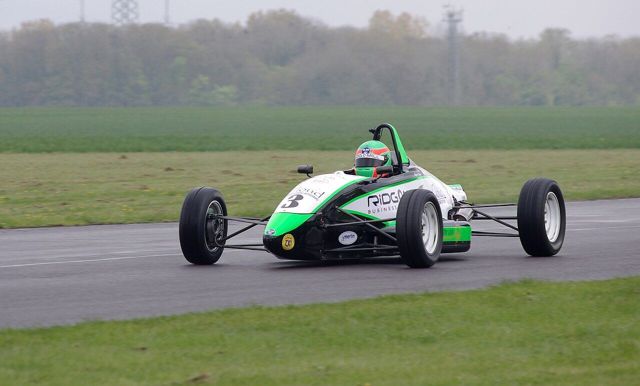
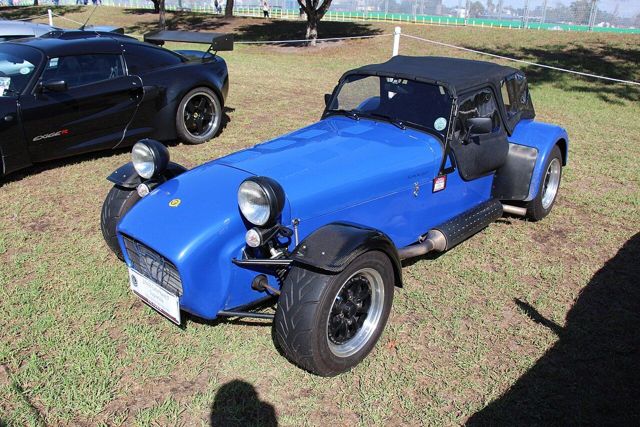
Classes are built so that very different cars can compete fairly, from production road cars and kit cars through to sports-libre machines and single-seaters. That makes the discipline popular with drivers who want to use the car they already own.
The Hillclimb and Sprint Association's beginners' guidance says a newcomer with no racing experience and an RS Interclub licence can drive production and kit cars. In the single-seater and sports-libre classes for cars built after 1960, beginners are limited to 2.0 litres, or 1428cc with forced induction. Class boundaries and technical rules can change, so treat any figure as a guide and check the current regulations before preparing a car.
Licence, club and paperwork
Motorsport UK says anyone competing in UK motorsport needs a competition licence. For hillclimbs and sprints, the starting point is the RS Inter Club Competition Licence, open to anyone aged 14 or over. The Association of Hillclimb and Sprint Schools adds that drivers should also be members of a motor club recognised by Motorsport UK before seeking an entry.
For a first event, the practical sequence is usually:
- choose a local club that runs or accepts entries for speed events;
- apply for the licence and join the club;
- read Chapter 14 and the event's Supplementary Regulations;
- check that your car and safety kit meet the class you plan to enter.
The single-car format, club-level organisation and entry-level licence make hillclimbs and sprints a common first step into competition. Licence grades, fees, classes and technical limits change, and old club documents go out of date, so the current Motorsport UK Blue Book and the Supplementary Regulations for each event are what decide whether you and your car can enter.