Your First Track Day
A first track day is a controlled, non-competitive day of circuit driving, not a race.
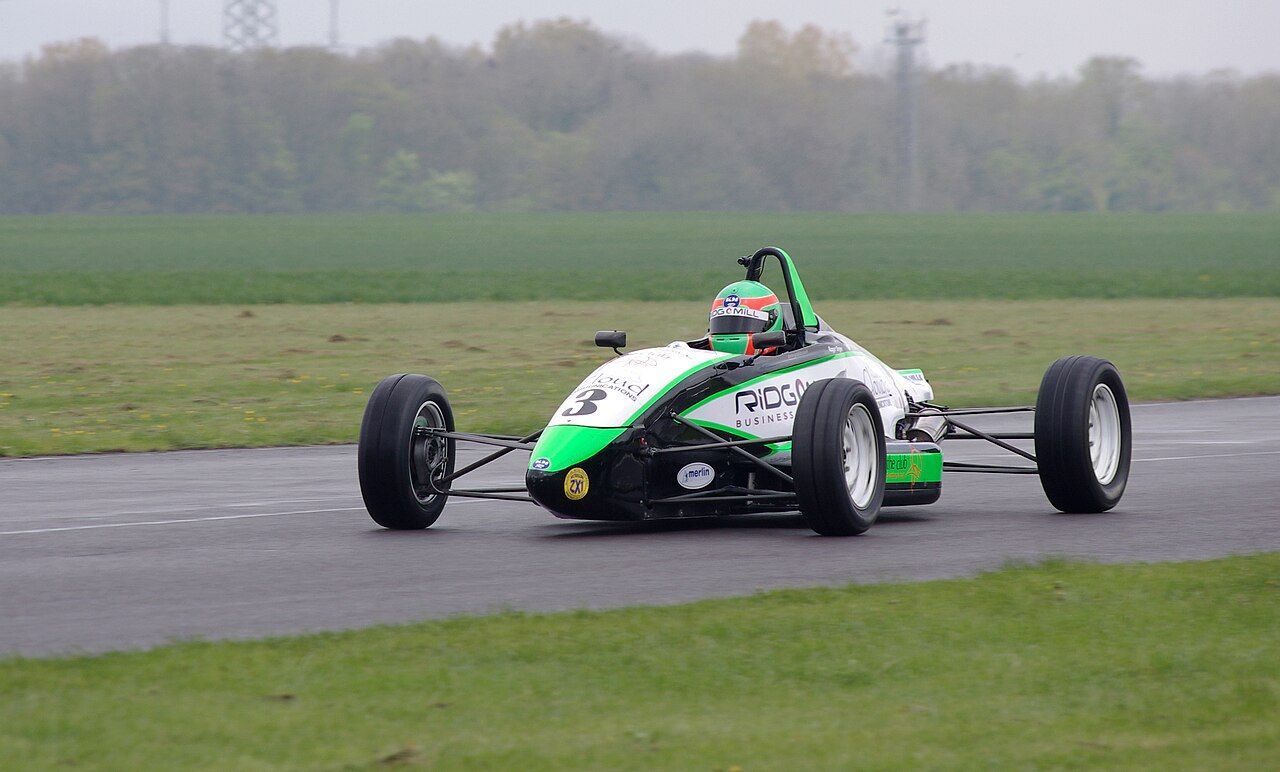
A first track day is a controlled, non-competitive day of circuit driving, not a race. The organiser sets the rules, and the day runs on a compulsory briefing, flag signals and overtaking rules, so preparation matters more than outright speed.
How the day works
The day usually begins with sign-on and paperwork, followed by the drivers' briefing before anyone goes on track. The briefing explains the rules of the day, the flag system and the safety procedures, and it is compulsory. Many UK organisers split drivers into novice, intermediate and advanced groups according to experience, and a first-timer should expect to go in the novice group. The organiser controls the format of the day, including how track time is shared, so check in advance how that particular event runs. Before full sessions begin, organisers commonly run sighting laps so drivers can learn the layout at a gentle pace. Many circuits also carry out noise testing, checking each car against the venue's noise limit before it goes out. A car that fails may not be allowed on track, so check the limit when booking if the car has a modified exhaust.
Flags and passing on track
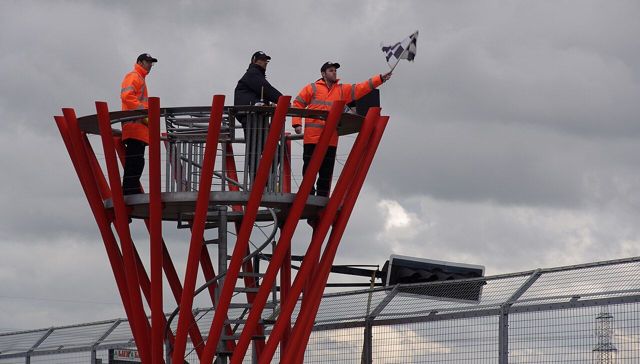
Flags are the main way marshals talk to drivers, and the briefing covers the ones in use. The common ones are:
- Yellow: danger ahead, no overtaking.
- Red: the session has stopped; return to the pits.
- Blue: a faster car wants to pass.
- Black, or black and white: used by some organisers to call a driver into the pits, often over driving standards.
Passing etiquette on UK track days is usually based on the slower car letting a faster one by at the next safe opportunity, normally on a straight. The briefing sets out the exact rules for the day, including where overtaking is allowed, and those rules override any general advice.
Preparing the car, the driver and the paperwork
The basic car checks before the day are to remove all loose items from the cabin and boot, check the oil level, and check the tyres, brakes and brake fluid. Helmets are normally compulsory, and organisers will usually require a full-face helmet or one that meets an accepted motorsport or motorcycle safety standard. The accepted standards vary between organisers and venues, so confirm them before buying. Some organisers or venues hire helmets on the day for drivers who do not own one.
Insurance needs attention before booking. Do not assume a road policy covers circuit use; check its wording. A specialist track-day policy may be needed to cover your own car on track, and most such policies cover only the insured vehicle, not damage to anyone else's car. Read the terms, including any excess, before deciding whether to drive covered or knowingly uninsured.
When booking, ask the organiser about the circuit's noise limit, the helmet rule, the passing rules and how sessions are run, and whether tuition with an instructor is available. Organisers' rules and venue limits change, so check them against the organiser's current information rather than an old booking email.
A first track day goes well when the car is checked, the paperwork is in order and the briefing is followed to the letter. Arrive prepared, listen to the flags and treat the day as practice rather than a race.