Off-Road Driving Basics
The core off-road driving tips are low range, low speed and reading the ground before committing to it.
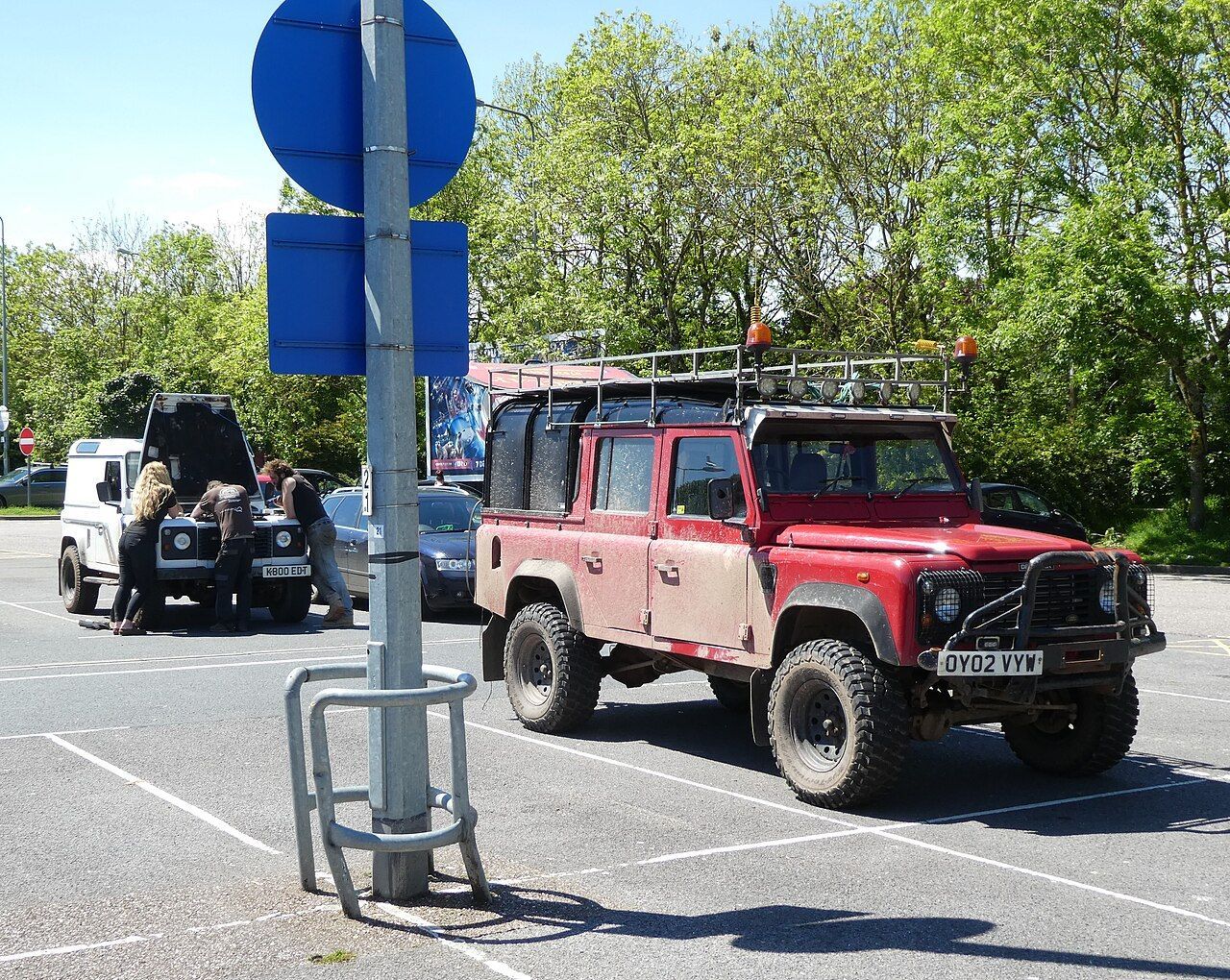
The core off-road driving tips are low range, low speed and reading the ground before committing to it. Manufacturer guidance is consistent on this: set the vehicle up before an obstacle, choose the line on foot if in doubt, and stay within the published limits of the specific 4x4.
Setting the vehicle up before the obstacle
Low range gives a 4x4 more control on difficult terrain and steep descents, and it increases engine braking. General Tire's guidance is to engage it in difficult conditions such as rough or rocky ground and steep gradients. It also says low range should be selected while the vehicle is stationary and stable, because selecting it on the move can lead to loss of control or damage. The rule of thumb is to stop before the difficult section, not in the middle of it.
Tyre pressures are part of the same set-up. 4X4 Australia advises setting pressures to suit the terrain before a descent. The right figures depend on the vehicle, the tyre and the surface, so take them from the vehicle handbook or the tyre maker rather than from a general figure.
Reading the ground and climbing
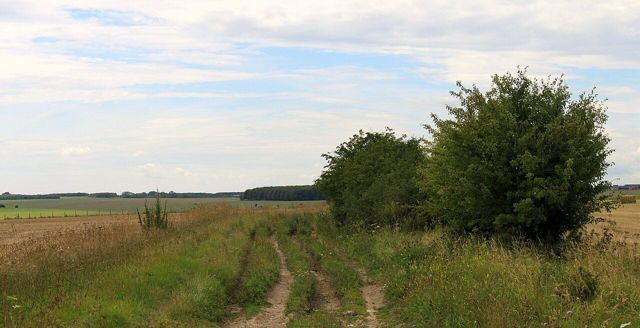
Before driving an unfamiliar section, study the terrain ahead and walk it if necessary. Walking a route shows ruts, rocks, soft ground and the angle at the top and bottom of a slope, none of which is easy to judge from the driver's seat. Line choice and a steady, slow approach matter more than speed or bravery. Land Rover's hill-driving guidance sets out the basics for slopes:
- Approach a hill straight on rather than diagonally, to avoid a roll.
- Follow the natural fall line and keep the wheels straight.
- Think about the departure angle on the way down: will the back of the vehicle hit the ground at the bottom?
- If the vehicle starts to slide, increase throttle to match ground speed and regain steering control.
Descents, slope angles and wading
Before a steep descent, Land Rover advises stopping at least one vehicle length before the drop, engaging low range and then selecting Hill Descent Control if the vehicle has it. Hill Descent Control goes with low range, not instead of it. 4X4 Australia recommends low range and first gear whether the gearbox is manual or automatic, and gradual braking, avoiding hard braking unless the hill is very steep and the gearing is not holding the speed. Jeep's off-road guide makes the same points: use the lowest gear, never disengage the clutch to coast, and use the brakes only to fine-tune speed.
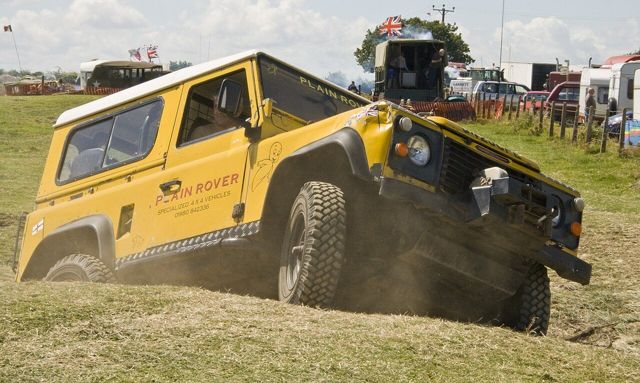
Every vehicle also has hard limits. Land Rover's off-road handbook says its vehicles should not be driven continuously at more than 35 degrees nose up or nose down, with 35 to 45 degrees acceptable only momentarily. The same handbook gives a normal wading depth of 600 mm, or 700 mm on models with air suspension set to Off-road Height. These figures apply to the models that handbook covers; other 4x4s have different angles and wading depths, and the only reliable figures for any vehicle are in its own handbook.
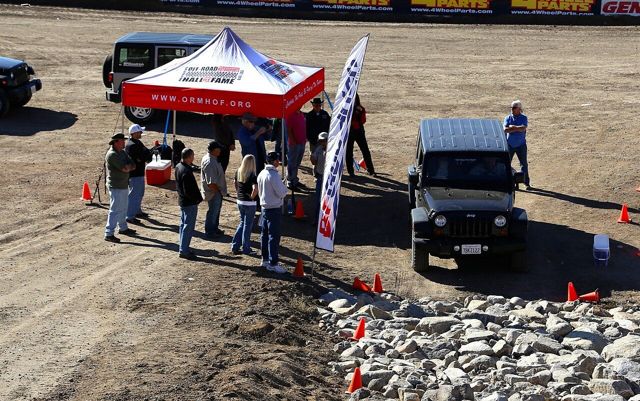
The practical takeaway: walk any ground that looks uncertain, select low range while stationary before the obstacle, take slopes straight and slowly, and treat the handbook's angle and wading limits as limits, not targets. The safest way to learn all of this is supervised practice with a qualified instructor at an off-road centre before trying it on unfamiliar ground.