Le Mans Explained
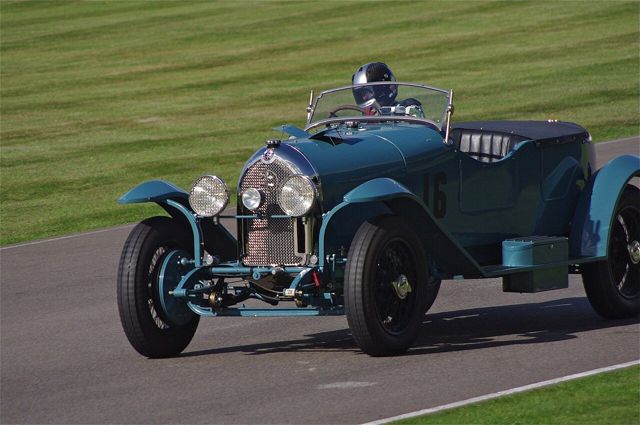
The 24 Hours of Le Mans is an endurance race in which cars run for a full day on the Circuit de la Sarthe, and the car covering the greatest distance wins.
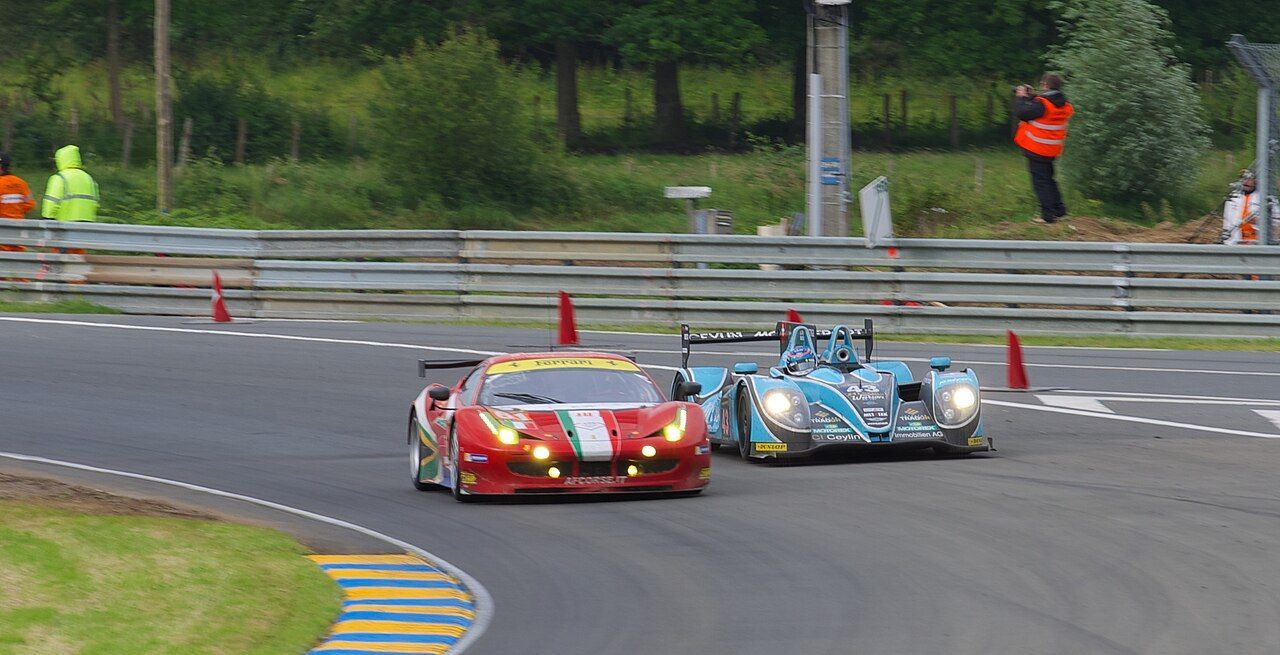
The 24 Hours of Le Mans is an endurance race in which cars run for a full day on the Circuit de la Sarthe, and the car covering the greatest distance wins. It is organised by the Automobile Club de l'Ouest (ACO), founded in 1906, and was first held in 1923.
The race and the circuit
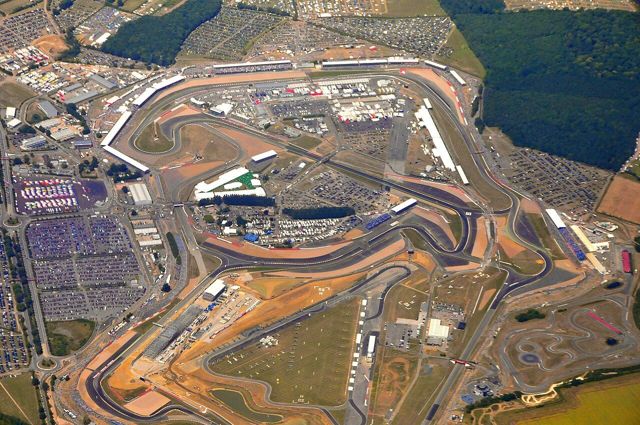
The Circuit de la Sarthe combines closed public roads with a permanent racing circuit, which gives Le Mans its unusual character: long, fast stretches on roads that are used by ordinary traffic for the rest of the year, joined to purpose-built track. Its best-known section is the Mulsanne Straight, which has been broken up by two chicanes since 1990 to keep top speeds in check.
Several categories of car race on track together, so the fastest cars constantly lap slower ones, and drivers must manage that traffic for the full 24 hours. Each car is shared by a team of drivers who take turns at the wheel in stints, handing over at pit stops, while the team plans fuel, tyres and driver changes around the clock. The class names and the detailed rules on drivers and stints are set in the current regulations and change over time, so check the latest ACO and FIA documents rather than relying on older figures.
How the start works
Le Mans is famous for the old "Le Mans start", in which drivers ran across the track to their parked cars. That format has long gone. The race now begins with a rolling start given by lights, and the official regulations and briefing notes set out how it works:
- cars must keep their positions until they cross the start line, with no overtaking before it;
- drivers run in two parallel lines on the approach to the start;
- gaps between cars should be kept as constant as possible, with no more than five car lengths tolerated between categories;
- a car that does not start from the grid cannot join the race until the last car in the field has completed its first lap;
- each team must declare at the administrative checks which driver will take the start, and only a written change to the stewards within the deadline allows a different driver to do so.
Le Mans is also one of the three races in motorsport's informal Triple Crown, alongside the Monaco Grand Prix and the Indianapolis 500. Winning all three across a career is regarded as one of the rarest achievements in the sport.
Watching and attending
The race draws large crowds to the circuit and the surrounding campsites, and it is followed around the world through television, streaming and live timing. Ticket types, prices and camping arrangements change from one edition to the next, and so do broadcast arrangements in different countries.
For anyone planning a first Le Mans, the safe rule is to go to the source. The ACO's official ticketing page is the place to buy entry and check what each ticket includes, and the ACO's official apps carry live information on the race. Use those rather than resellers or old guides, and confirm dates and access details before travelling.
Sources
- ACO
- ACO supplementary regulations: 2023 24 heures du mans supplementary regulations
- FIA WEC briefing notes: 006 Doc%206%20 %20BRIEFING%20NOTES
- ACO supplementary regulations: 2025 24 hours of le mans supplementary regulations
- ACO ticketing: Ticketing
- ACO newsroom: Follow live and share the le mans 24 hours with the aco applications
- ACO key figures: Key figures