Isle of Man TT
The Isle of Man TT is a motorcycle time trial on 37.73 miles of closed public roads, not a race on a purpose-built circuit.
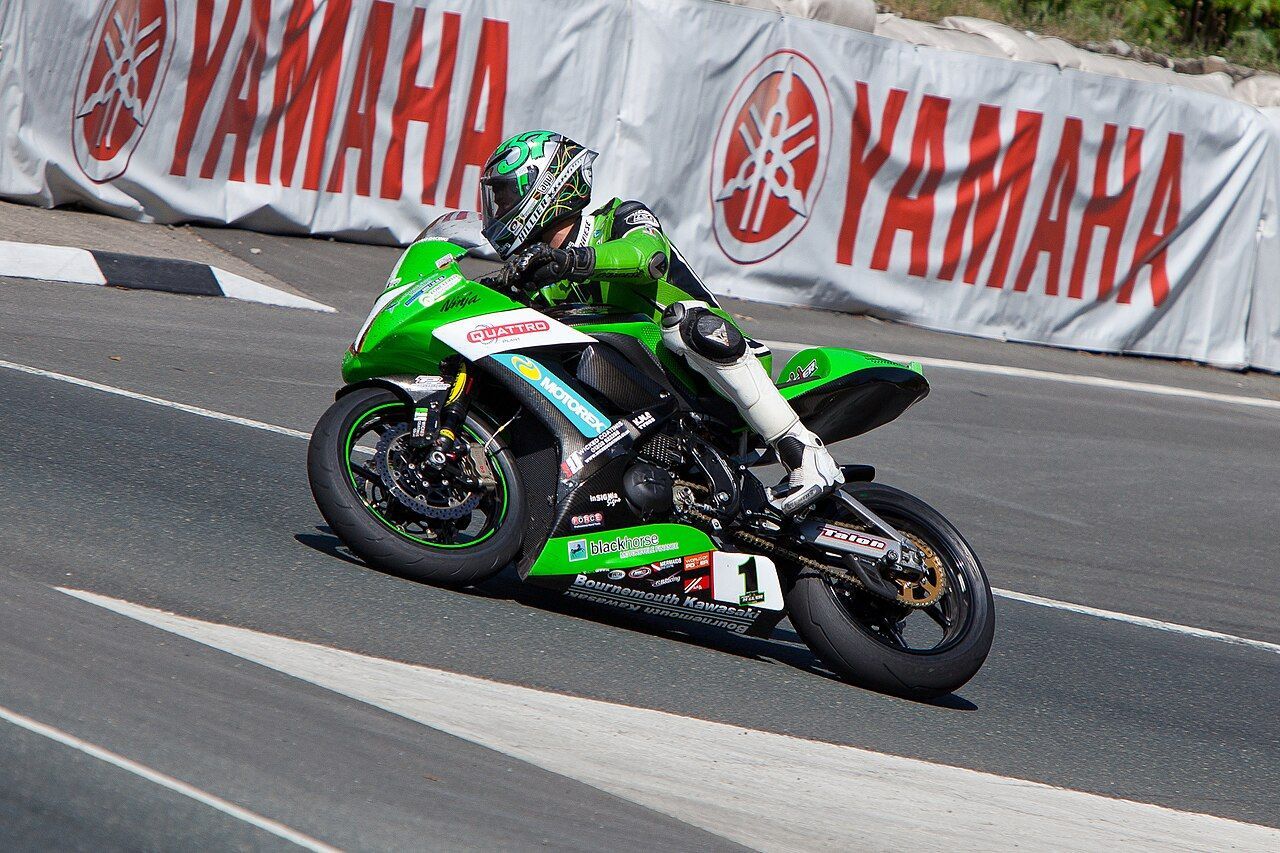
The Isle of Man TT is a motorcycle time trial on 37.73 miles of closed public roads, not a race on a purpose-built circuit. Riders set off at intervals and race against the clock. That one fact explains most of what makes the event special, and most of what makes it dangerous.
The Mountain Course is a road, not a racetrack
The course is officially called the Mountain Course. For the rest of the year these are ordinary public roads, and they are closed for practice and racing. A lap runs through towns and villages, across open countryside and over the flanks of Snaefell, the island's highest mountain, and it has more than 200 corners. The organisers stress that this is not a purpose-built racetrack, and it shows. Kerbs, walls, hedges, lamp posts and houses line the route, and there are none of the wide run-off areas and safety barriers found at a grand prix circuit.
That is why course knowledge matters so much. Riders have to learn the sequence of bends, crests and braking points by heart, because on public roads a mistake rarely has anywhere safe to go.
How the TT fortnight and the classes work
The TT runs over 13 days, split into Qualifying Week and Race Week. The first week is given over to practice and qualifying, where riders build up speed and learn the conditions. Their lap times then decide the starting order for the races. There is no massed grid: riders leave the line one after another at set intervals, and the winner is the rider with the fastest total time over the race distance. Each race covers several laps, and the number depends on the class.
Racing is split into classes by type of machine. Recent programmes have included:
- Superbike TT and Superstock TT for the most powerful machines
- Supersport TT for middleweight bikes
- Supertwin TT for twin-cylinder machines
- Sidecar TT for three-wheeled outfits with a rider and passenger
- Senior TT, traditionally the final and most prestigious race
Class names, race numbers and the running order are sometimes changed, so check the organisers' own race guide for the current programme before planning a visit.
History, danger and the Manx Grand Prix
The first TT race for motorcycles was run on 28 May 1907, on the shorter St Johns course in the west of the island. The Mountain Course came into use in 1911 and has been the home of the TT ever since. Over the decades the event has become the best-known road race in the world and a fixture on the motorcycling calendar.
It is also one of the most dangerous. By Autosport's count, more than 260 people have died on the Mountain Course since 1911. That figure comes from racing on real roads at very high speed, with little margin for error. The same course also hosts the Manx Grand Prix, a separate meeting later in the summer that has long given amateur and club riders their own chance to race the Mountain Course.
Anyone watching or visiting should keep the basic contrast in mind. This is a time trial on everyday roads, not a circuit race, with practice week and race week both part of the show. For current schedules, classes and spectator rules, check the official TT website and Isle of Man Government guidance, and always follow marshals' instructions about where it is safe to stand.