Brooklands Motor Circuit
Brooklands, opened in Surrey in 1907, was the world's first purpose-built motor racing circuit.
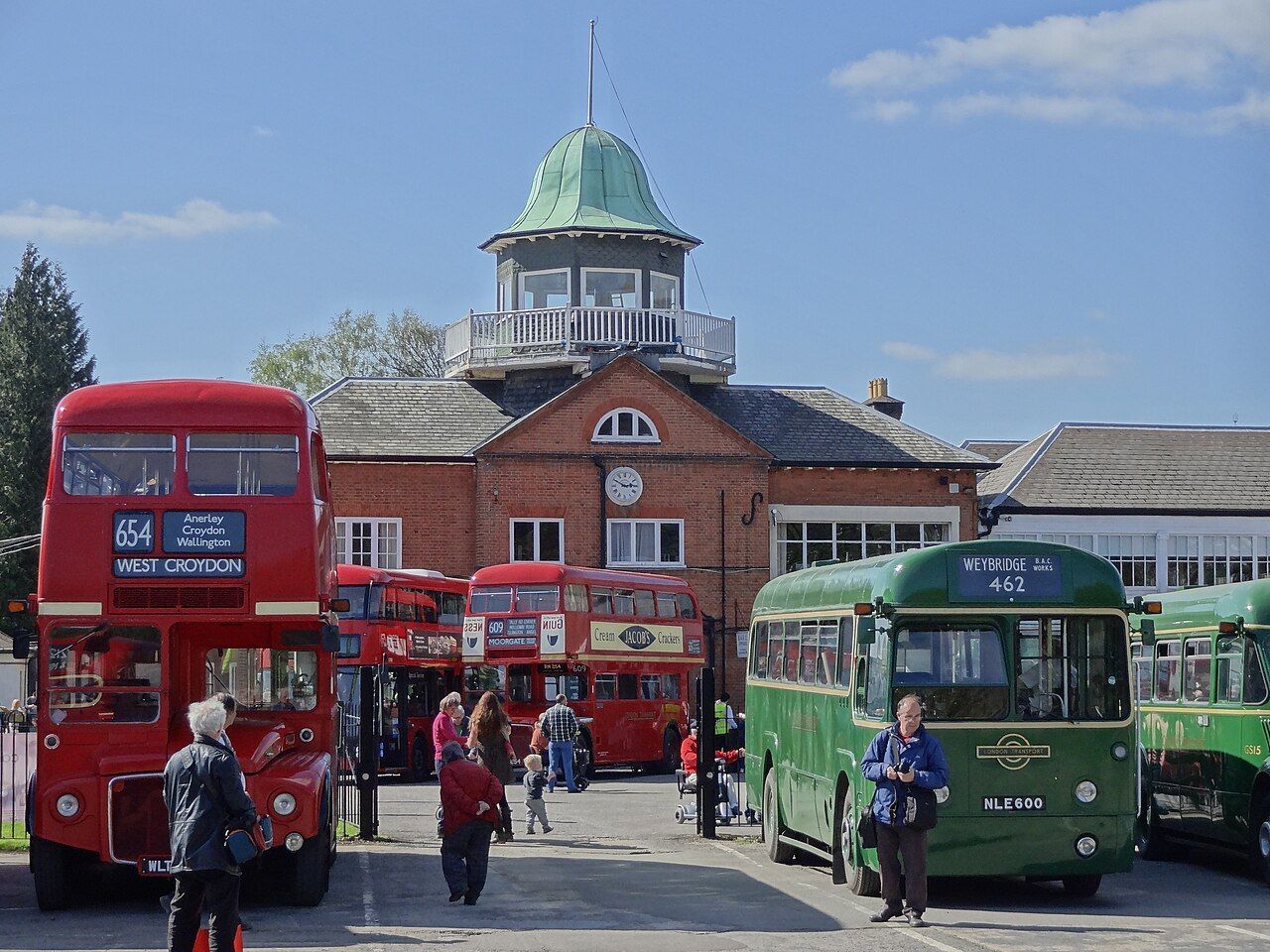
Brooklands, opened in Surrey in 1907, was the world's first purpose-built motor racing circuit. Its banked concrete track made it the centre of early British motor racing, and the same site went on to become one of the country's first airfields and a major home of aircraft building.
Building the world's first purpose-built circuit
The circuit was built by local landowners Hugh and Ethel Locke King on 330 acres of farmland and woodland on their estate at Weybridge. It opened in June 1907, at a time when Britain had no dedicated place where cars could be raced and tested at speed.
The track was designed by Colonel H.C.L. Holden. It formed a 2¾-mile oval with two long straights joined by banked curves up to 30ft high, and it was 100ft wide. The banking allowed cars to carry far more speed through the turns than a flat bend would permit, which is why Brooklands is described as the world's first purpose-built banked motor circuit.
The whole course was made of unreinforced concrete. It was a bold choice for the time, but Brooklands Museum notes that the surface was not robust enough and needed continual repairs throughout the circuit's racing life.
Speed, flight and industry
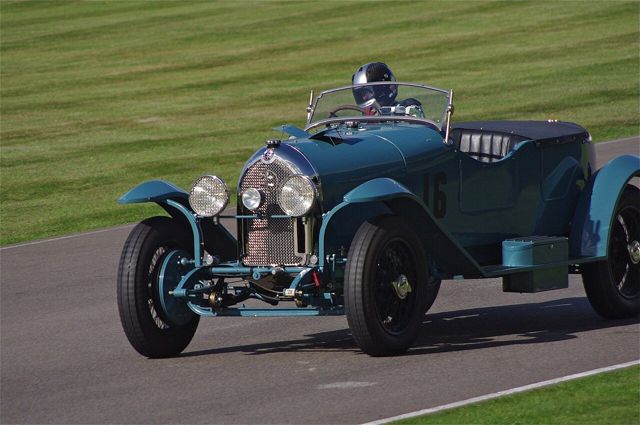
With its long straights and high banking, Brooklands quickly became a place for speed. It hosted races and record attempts for cars and motorcycles, and it gave British drivers, engineers and manufacturers somewhere to test machinery at sustained high speed that the public roads could not offer.
Aviation arrived almost as quickly. In 1909 Hugh Locke King was persuaded to build one of Britain's first aerodromes in the middle of the track. The first aircraft companies moved onto the site in February 1910, and Vickers opened a flying school there.
That link shaped the rest of Brooklands' history. The site grew into a major British centre for aviation and aircraft manufacture, and flying and factory work gradually came to matter as much as the racing that had created it.
The end of racing and the museum today
Motor racing at Brooklands ended in 1939, and it never resumed at the track. Aircraft work continued on the site, and much of the original circuit disappeared under later development in the decades that followed.
The first step towards preservation came in 1984, when Elmbridge Borough Council and Gallaher Ltd entered into a 99-year lease on 30 of the site's 40 acres for the purpose of founding a museum. Brooklands Museum now looks after that part of the site and tells the story of both its motoring and its aviation past, with surviving sections of the concrete banking still standing.
For anyone interested in the origins of British motorsport, Brooklands is worth seeing in person rather than only reading about. Opening times, prices and exhibitions change, so check the Brooklands Museum website before planning a visit.